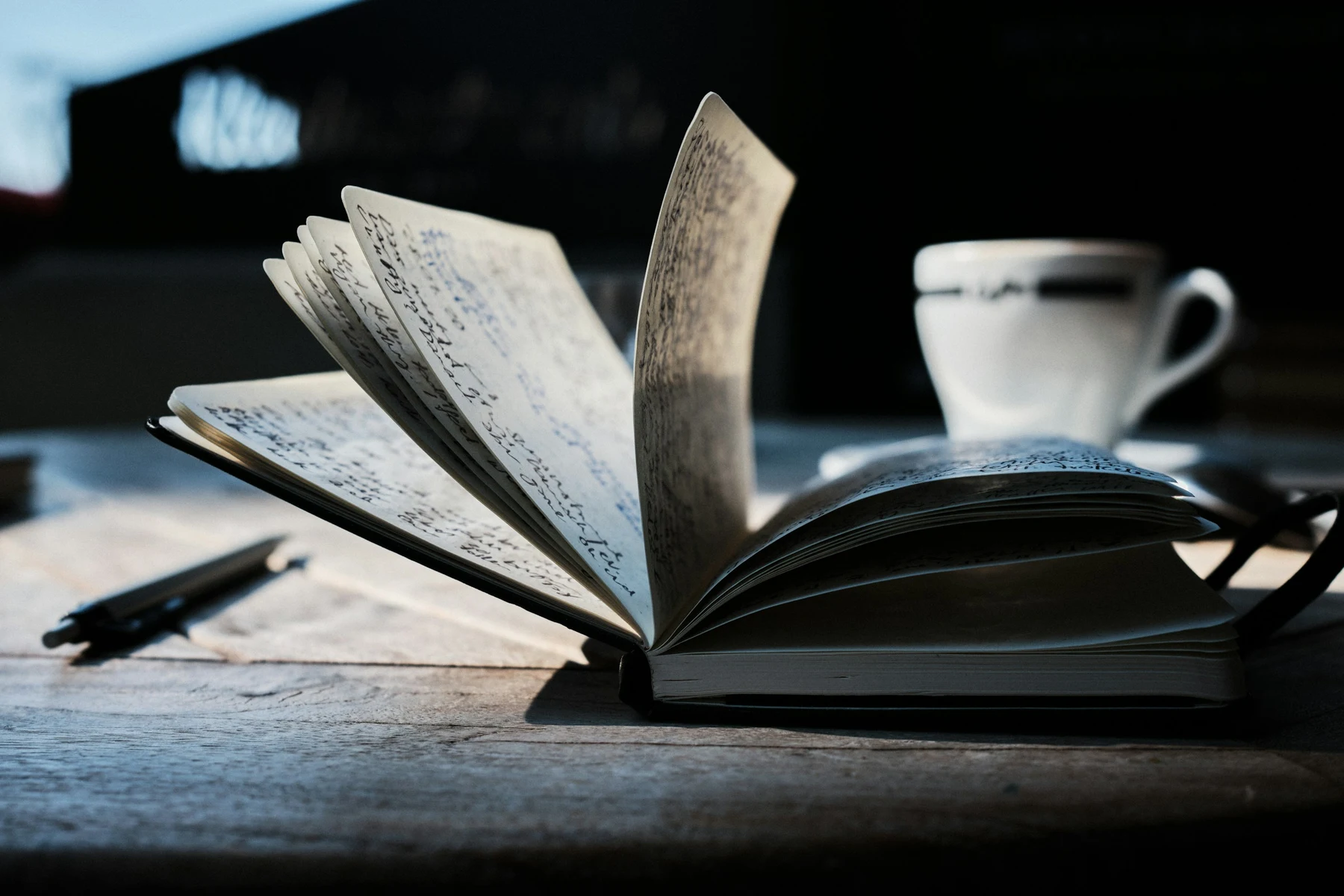
There is a kind of looking that has no immediate use. You wait at a crossing and notice the pale rectangle where a shop sign used to be. A stairwell changes color in the late afternoon. The same street becomes unfamiliar because, for once, you are not using it simply to get somewhere.
These observations rarely arrive as ideas. They are smaller than that: a slight interruption in the certainty that we already know what is around us. For anyone who makes things, that interruption is worth protecting.
Attention before interpretation
We are quick to name what we see. Minimal. Beautiful. Broken. Familiar. Naming helps us move through the world, but it can also become a way of stopping too soon. Once something belongs to a category, we may forget to look at it as a particular thing.
Try describing a room without evaluating it. Where does the light end? Which surface has been touched most often? What has someone repaired instead of replacing? The answers bring you closer to actual decisions, lives, and materials than a quick judgment ever could.
Attention is not a performance of sensitivity. It is the willingness to let something be more specific than your first impression.
A small practice, not another system
Choose one ordinary route. Walk it without collecting content. At the end, write down three things you could not have written before leaving. Avoid conclusions. A red thread caught on a fence is enough. A window left open in the rain is enough.
You do not need to turn every observation into work. That demand can make attention feel like extraction. Some details should remain useless for a while. Their value is in changing the texture of what you notice next.
What makes it into the work
Over time, this practice gives decisions a different starting point. A color comes from a place rather than a trend. A line break follows a voice rather than a template. A photograph allows an awkward edge to stay because the edge tells the truth about the room.
Looking carefully does not automatically make the work good. It does make the work less interchangeable. And sometimes that is the first useful step: not to make something entirely new, but to stop overlooking what is already particular.